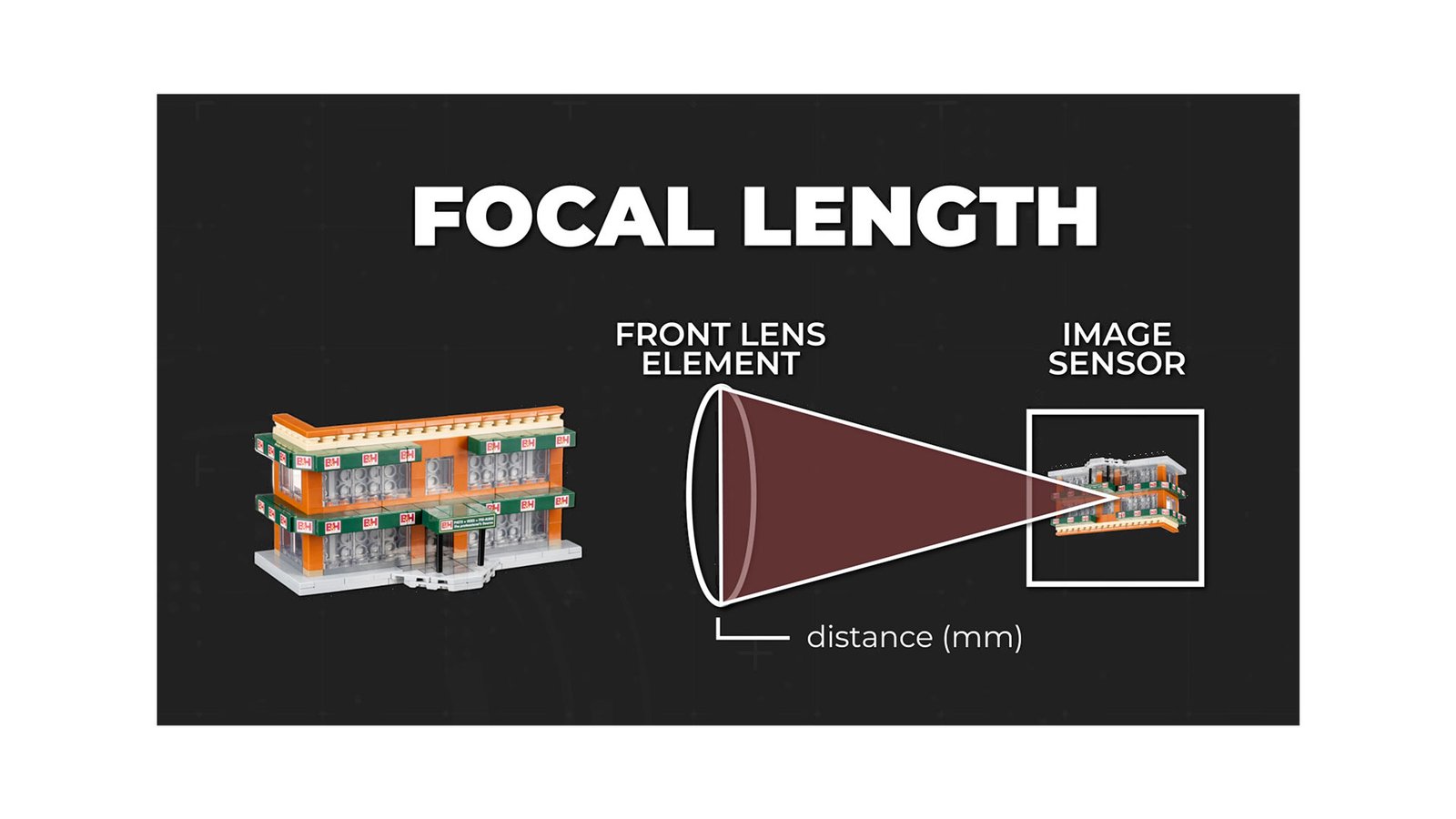
Lenses
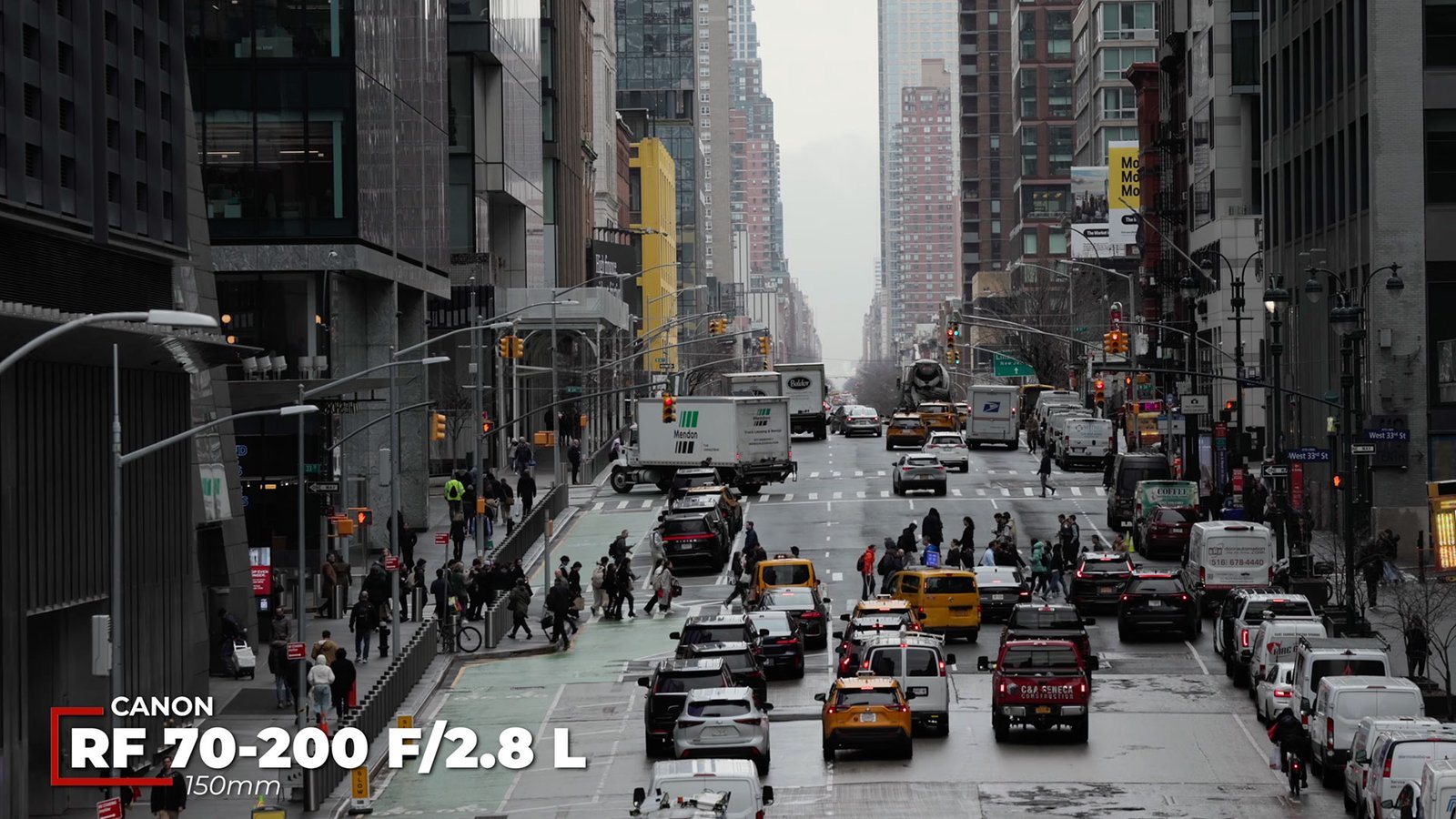
In filmmaking and photography, the focal length of a lens is far more than a technical setting; it is a psychological tool that dictates how an audience perceives the space, the characters, and the emotional weight of a scene.
Here is a summary of how different focal lengths impact storytelling:
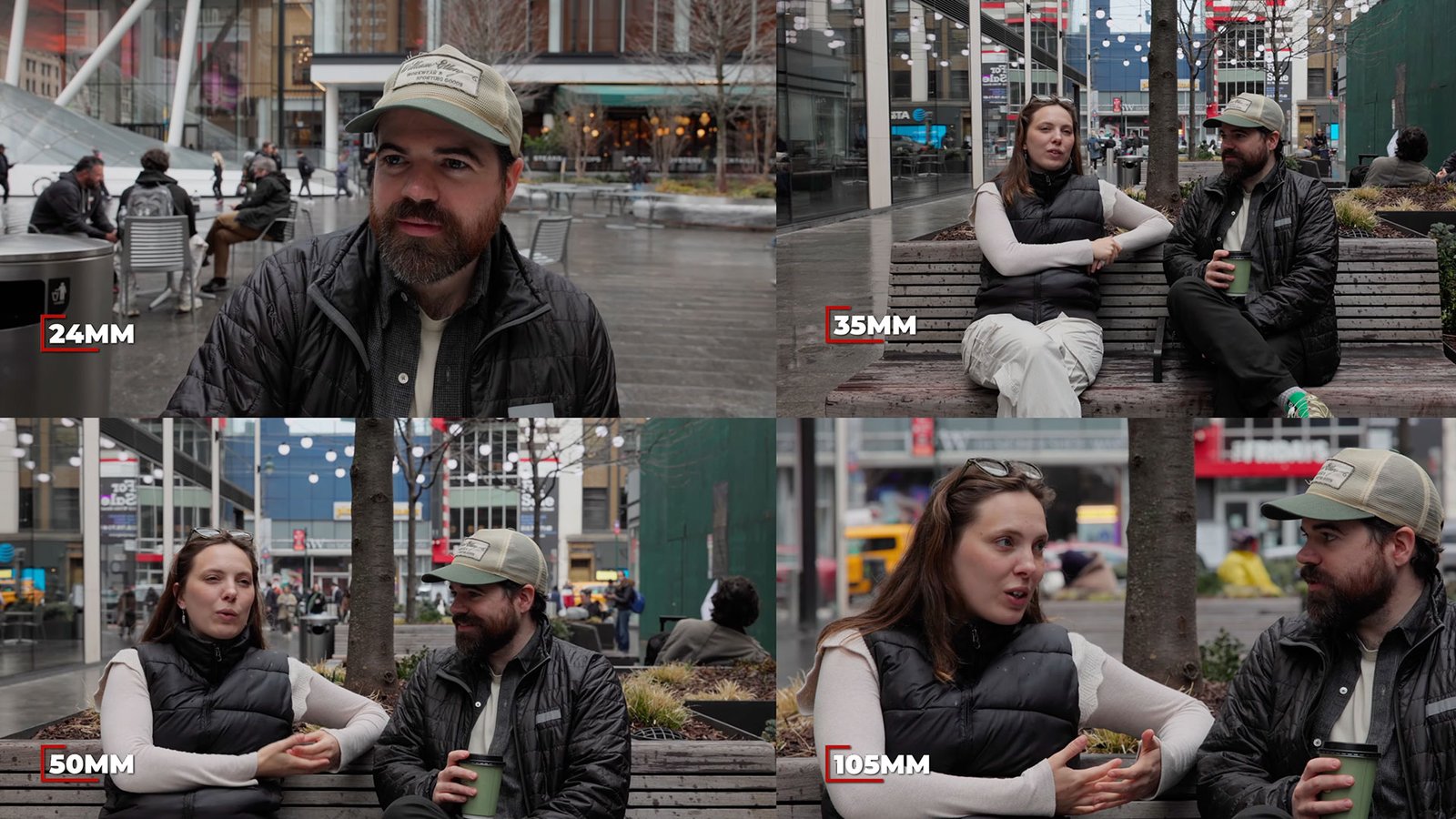
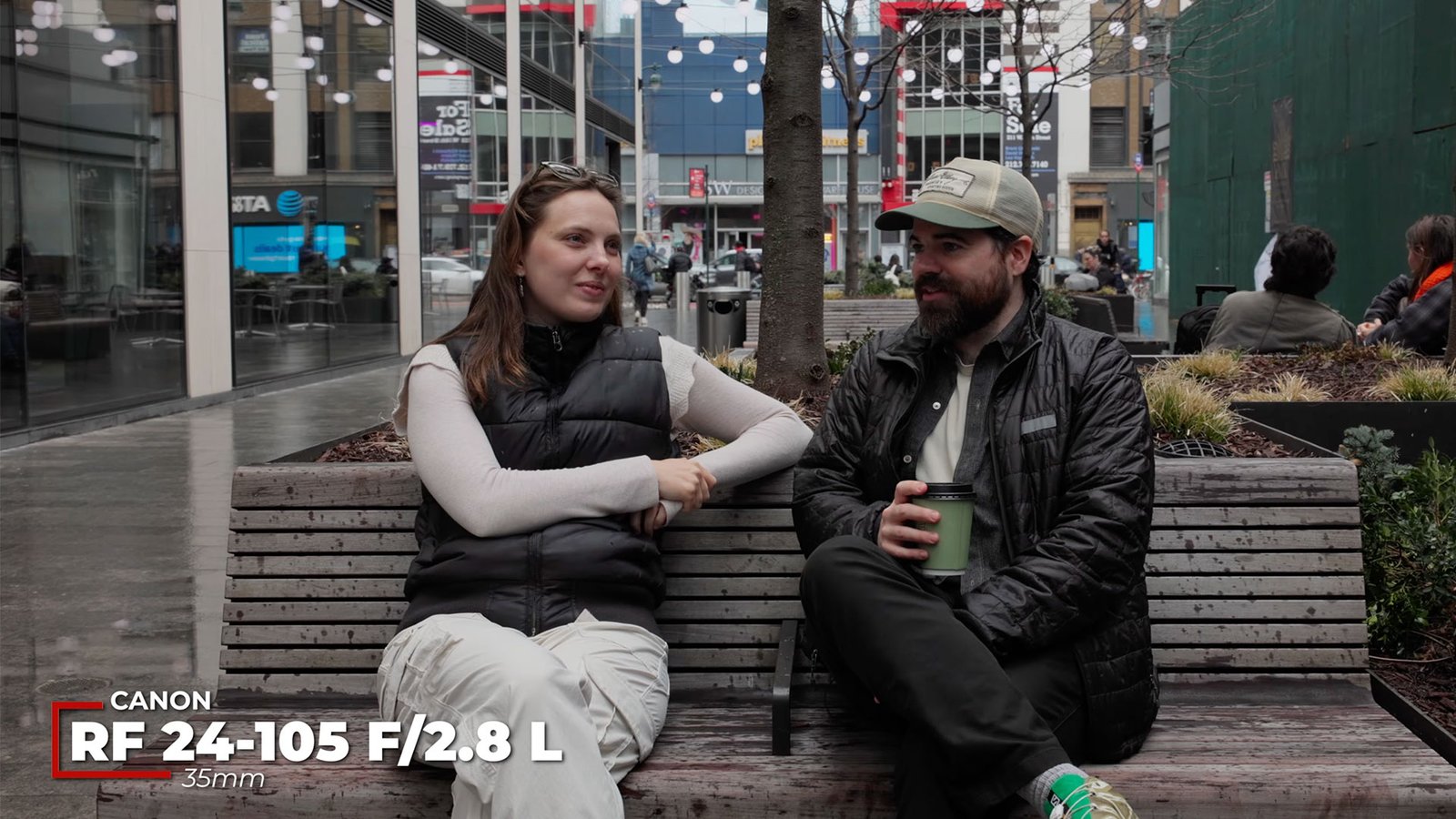
1. Wide-Angle Lenses (14mm to 35mm)
Wide lenses capture a broad field of view, making them essential for establishing context and scale.
-
Environmental Context: These lenses allow the audience to see the character and their surroundings simultaneously, emphasizing the relationship between a person and their environment.
-
Exaggerated Depth: Objects close to the lens appear much larger than those just a few feet away. This can make a room look more spacious or a landscape more vast.
-
Intimacy and Distortion: When used close to a subject’s face, wide lenses can create a “looming” effect. This can feel uncomfortably intimate, comedic, or even grotesque, often used to signal a character’s instability or a surreal moment.
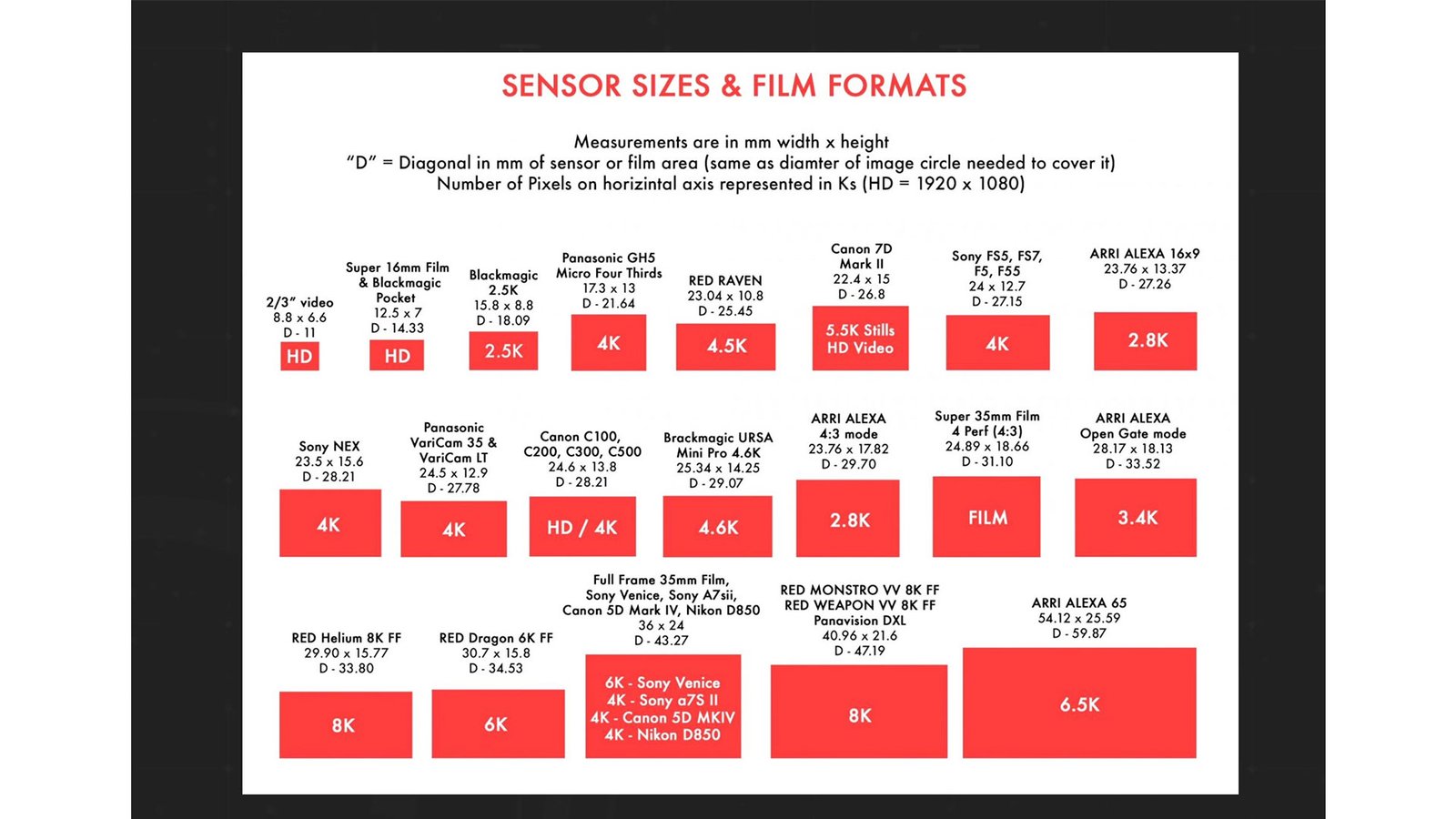
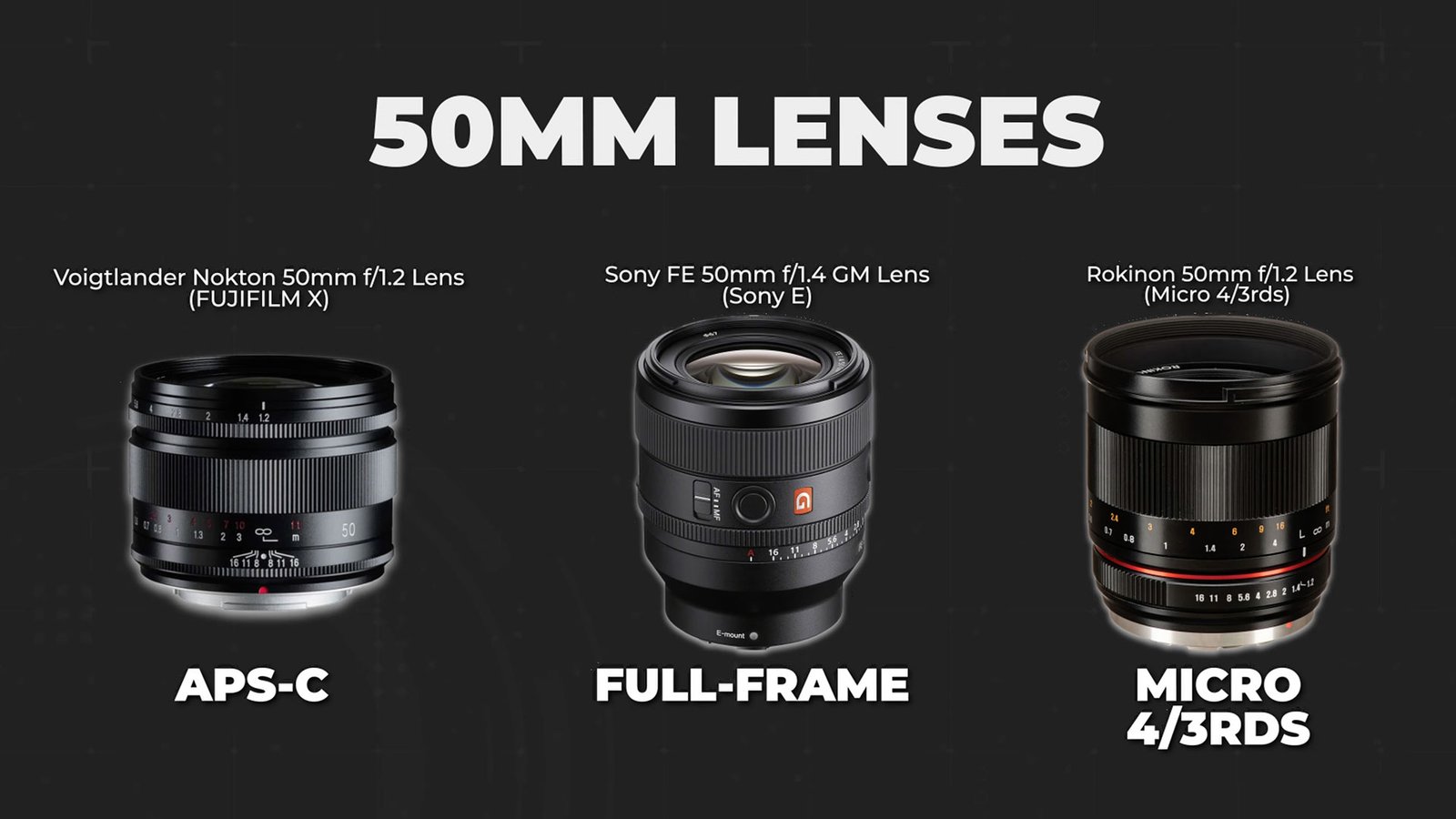
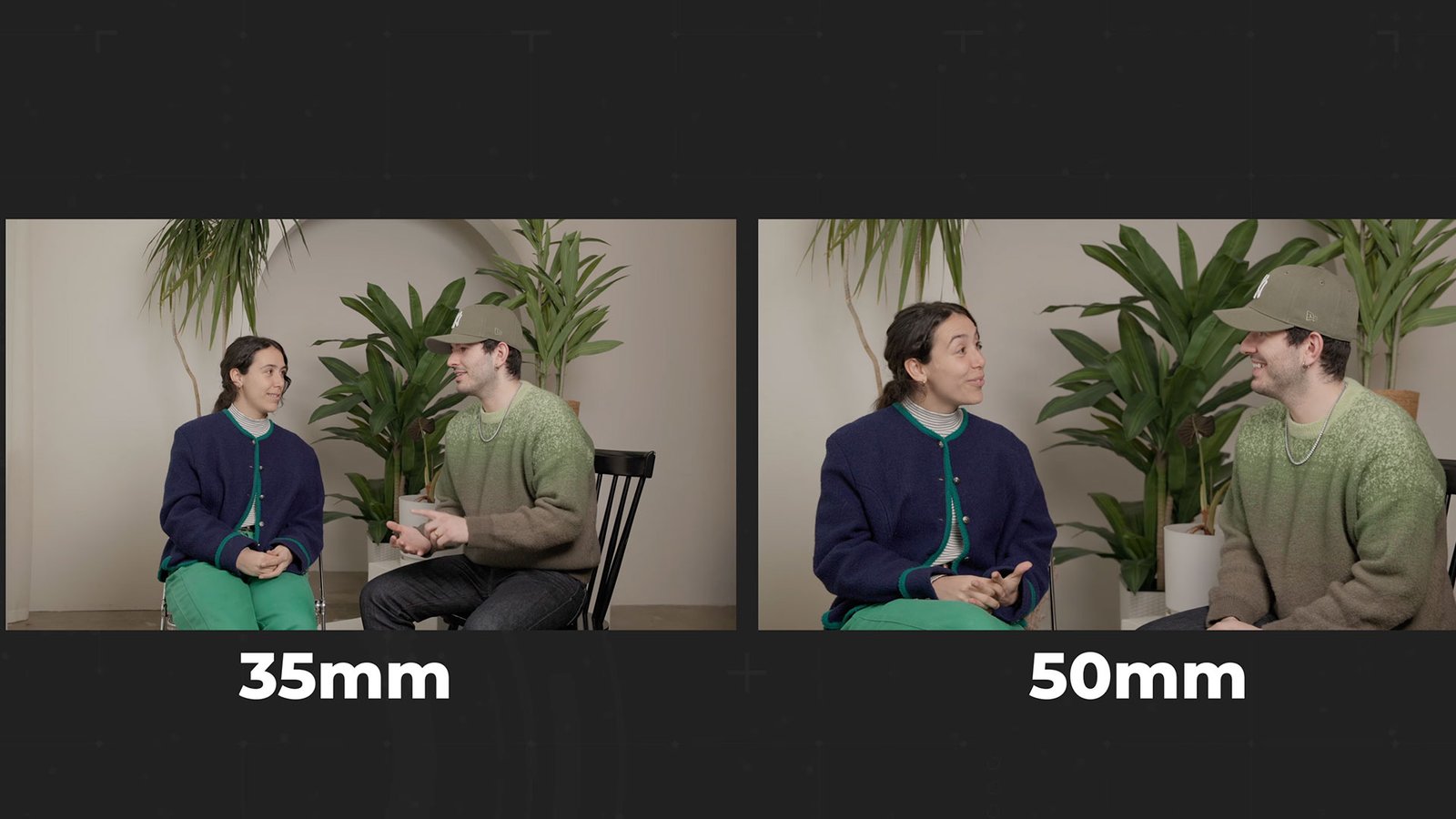
2. Standard / “Normal” Lenses (35mm to 50mm)
These lenses are designed to approximate the field of view and perspective of the human eye.
-
Naturalism: Because they don’t distort lines or compress space, standard lenses feel “invisible.” They are perfect for grounded, realistic storytelling where you want the camera to feel like an objective observer.
-
Relatability: By mimicking human vision, these focal lengths create a sense of honesty and directness, making the audience feel like they are standing in the room with the characters.
3. Telephoto Lenses (85mm and above)
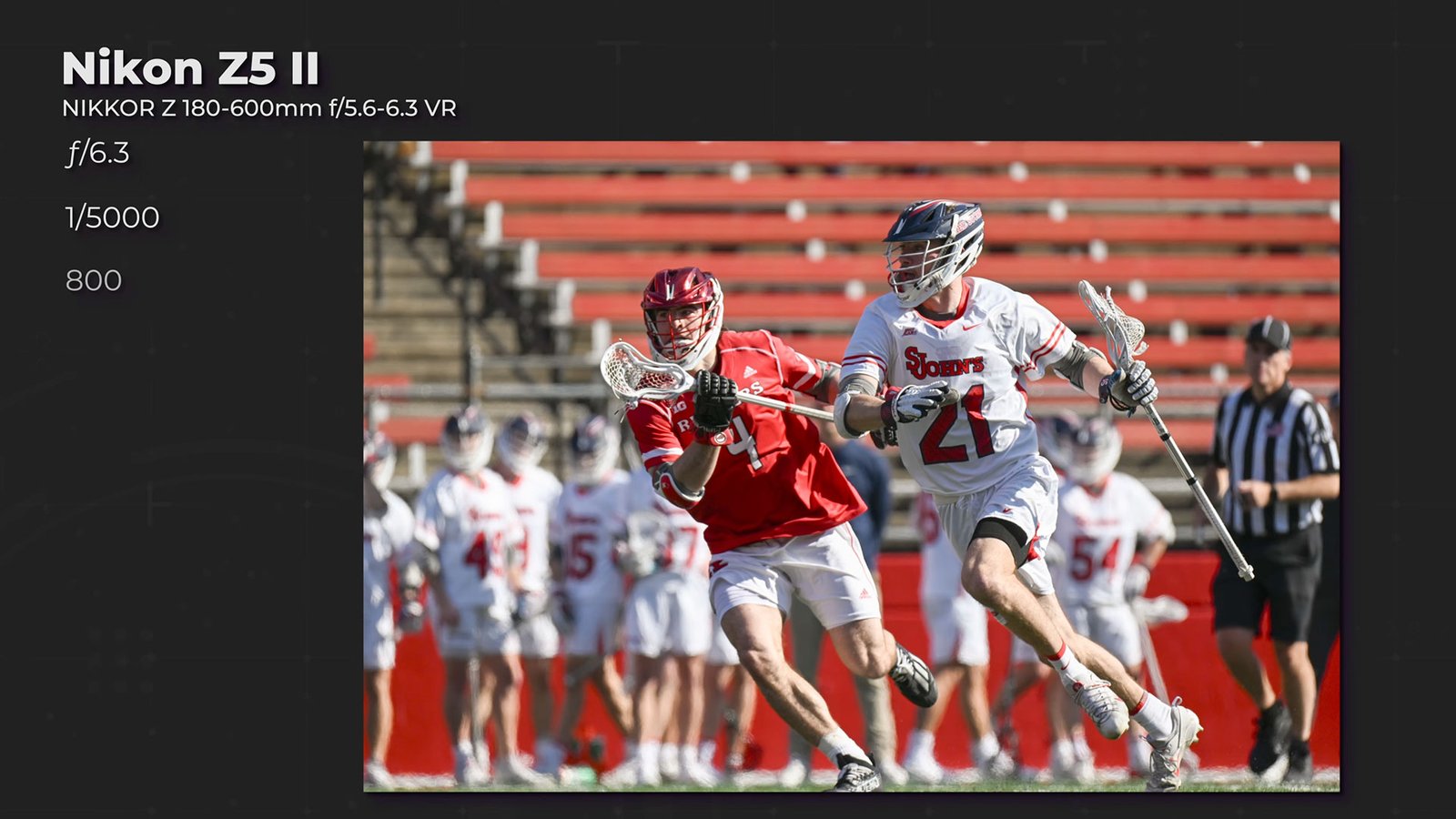
Telephoto lenses have a narrow field of view and “crop” into the scene, magnifying distant subjects.
-
Spatial Compression: They make the background appear much closer to the foreground than it actually is. This can create a feeling of claustrophobia, or make a character feel trapped against their environment.
-
Isolation: With a shallow depth of field, the background becomes a soft blur (bokeh). This physically separates the character from the world, drawing the audience’s absolute focus to their internal emotions or a specific detail.
-
The “Voyeur” Effect: Because telephotos allow the camera to be physically far away, they often give the scene a “paparazzi” or observational feel, as if the audience is eavesdropping on a private moment.
4. Movement and Kinetic Energy
Focal length also changes how we perceive physical motion within the frame.
-
Speed in Wide Lenses: Because wide lenses exaggerate distance, a character walking toward the camera appears to be moving incredibly fast. This is great for high-energy action or frantic pacing.
-
Stasis in Telephoto: Conversely, someone running toward a telephoto lens appears to be staying in the same place (the “treadmill effect”). This is often used to visualize struggle, futility, or a nightmare where the destination never gets closer.
5. Directing the Audience’s Eye
Ultimately, focal length is about information control.
-
A wide lens gives the audience information (showing the whole “world”).
-
A long lens withholds information (blurring the “world” to focus on a single tear or a subtle look).
By choosing a specific focal length, you aren’t just choosing what the audience sees; you are choosing how you want them to feel about it.
#Filmmaking #CameraLenses #CineLens
Source:
B&H Photo Video Pro Audio
https://www.youtube.com/@BandH






 English